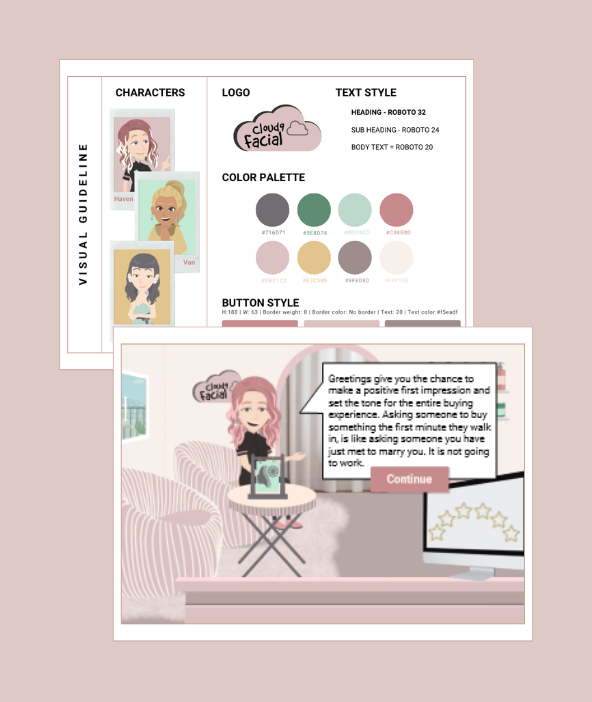
Are you ready to embark on the journey of driving up sales through a soft 5 star approach technique?

A brief sharing of my experience in producing e-learning courses in corporates previously.
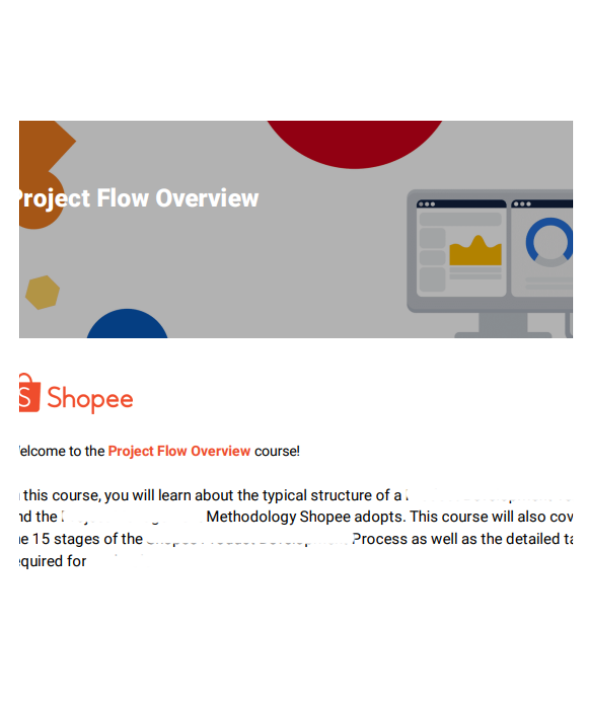
As a Learning Partner, I supports 8 Engineering and Product teams in the tech company in terms of their learning needs. This can range from soft skills learning such as cross-cultural communication as they often come from diverse backgrounds and cultures, train up the tech trainers who will in turn train their team members in engineering languages, as well as transforming complex, dry technical training contents through working with their teams into digestible, interesting, and engaging learning sessions.

As a Learning Partner who supports Engineering and Product teams in the company, each e-learning course I produced went under many rigorous rounds of reviews with: Training Manager, Training Directors, Engineering Project Manager, and Engineering Directors before launching to check for: knowledge accuracy, presentation style, learning experience.
As a learning designer tasked with producing end-to-end e-learning for an engineering team, I face multifaceted challenges. Firstly, translating complex engineering concepts into accessible language and interactive content requires a deep understanding of both coding languages and the broader engineering domain. Secondly, bridging the communication gap between technical experts and novice learners demands adept facilitation skills to ensure effective knowledge transfer and engagement throughout the learning process. Balancing these elements while maintaining instructional integrity presents a formidable challenge in crafting comprehensive e-learning experiences for engineering professionals.
Navigating the challenges of producing end-to-end e-learning for an engineering team has enriched my skill set as a learning designer. Through this experience, I've furthered my understanding of engineering concepts, honed my communication abilities to effectively convey and break down complex ideas, and developed innovative strategies for facilitating learning experiences that bridge expertise gaps. Overall, this endeavor has empowered me to create more impactful and engaging e-learning solutions tailored to the unique needs of technical audiences.
Act as a consultant to provide recommendation on how to design the e-learning (in terms of content itself, content presentation, learning activities, gamification techniques, knowledge recall and retention technique) with the main purpose is to: enhance the learning experience (especially when it comes to speed up the new hires).
From analysis phase (audience analysis, training needs analysis) to the evaluation phase (designing how should we evaluate the course's effectiveness and how should information to evaluate be collected), with a focus on the overall effectiveness of the curriculum or the training program on the target learners.
✔️ Documented the e-learning production process (SOP, required learning materials, email chain for approval, feedback and evaluation documents by trial nominees and actual learners after launching)
✔️ Acted as a coordinator, a point of contact (POC) for all the e-learning projects where I worked with SMEs and other relevant stakeholders from end to end
✔️ Performed audits and quality checks (QCs) on the content by the SMEs and whether they follow the brand guidelines
✔️ Produced SCORM compliant courseware on Articulate Authoring tools and get the approval of the Training Manager and Instructional Design Lead.
✔️ Get the course feedback from trial nominees pre-launched, make the necessary amendments
✔️ Launch the course on the Learning Management System and enroll relevant learners, under the request of relevant managers and team leads
✔️ Collect feedback post-launch 30 - 60 - 90 days to make necessary improvements
Work closely with Engineering Subject Matters Experts to understand the engineering concepts that need to be brought across and how they can break down the content, what should be included, and consult them on how the learning activities and tests or hands-on practices could be designed for an enhanced learning effectiveness.
✔️ Articulate Rise
✔️ Articulate Storyline 360
✔️ Camtasia
✔️ Adobe Premiere Pro CC
✔️ Google Workspace (G Suite)
✔️ Conference
✔️ Lark
✔️ Canva
✔️ Photoshop & Illustrator

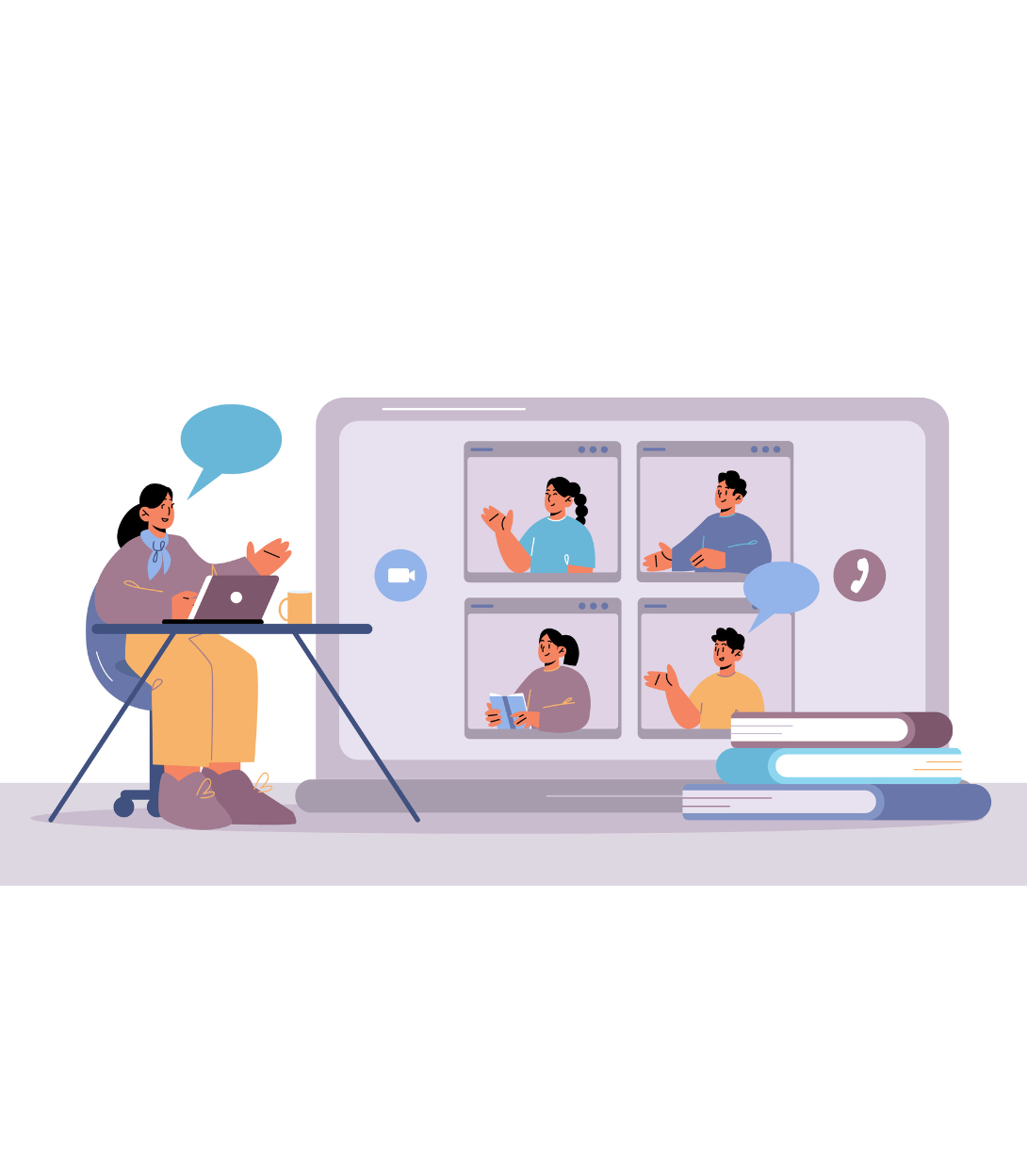

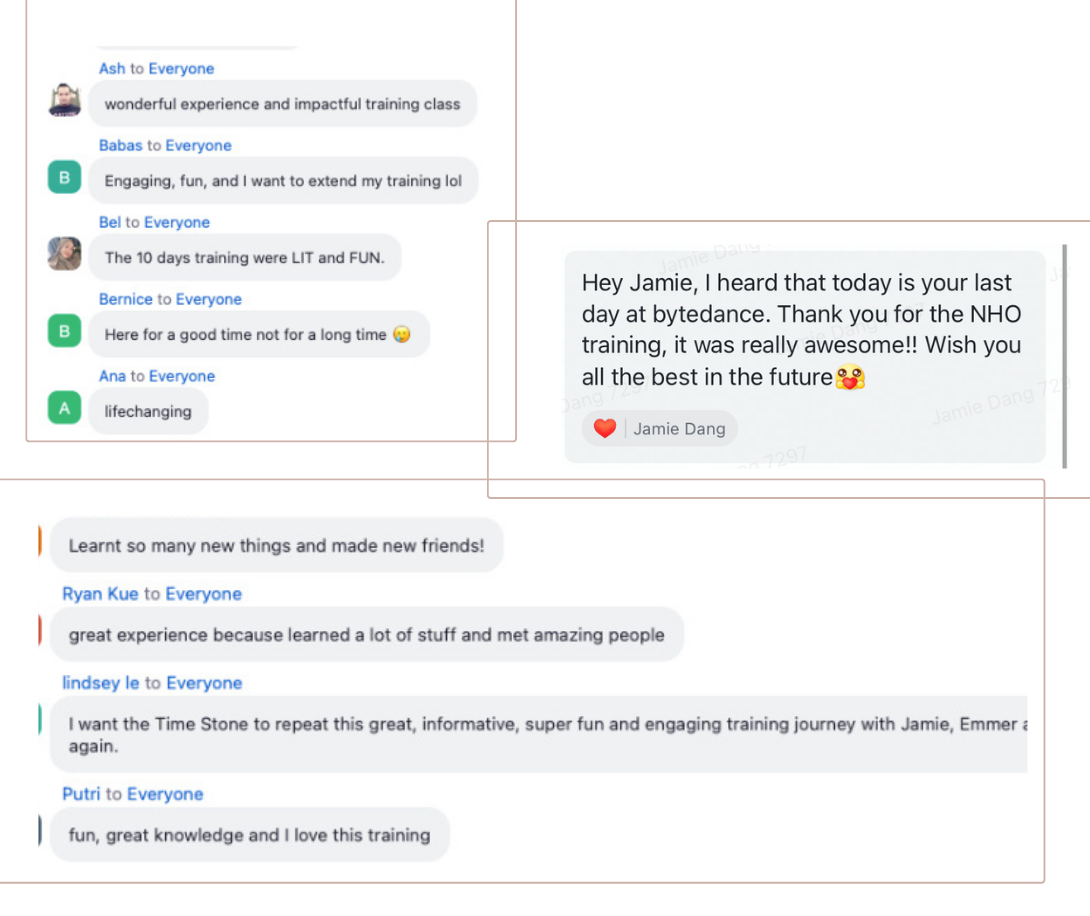
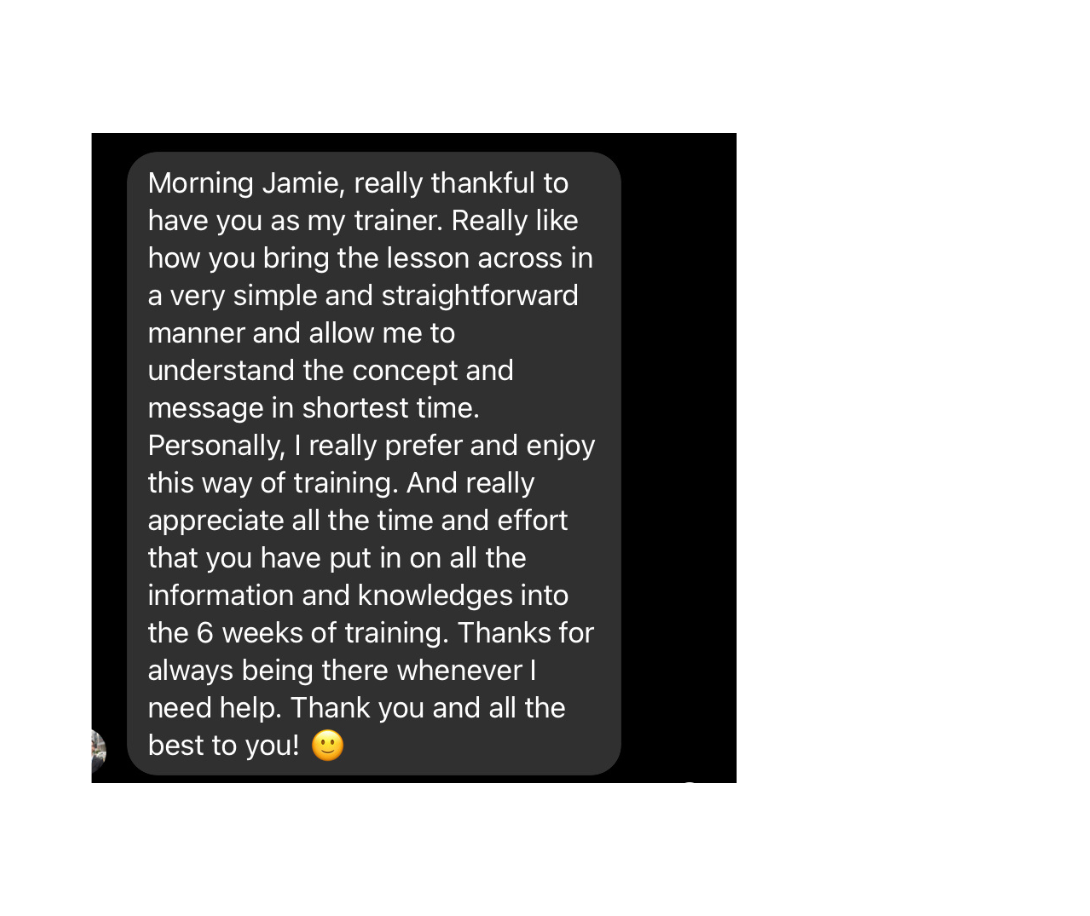

A sneak peek into the process of designing this training program
As mentioned above, we realized the gaps between onboarding stage and the LIVE stage that causes operational inaccuracy level and thus the needs to bridge such gap.
Many analyses were conducted to understand where the gaps might come from - the training program itself, the content, the audience, the real-life scenarios that these functions are facing but were not brought into training.
At this analysis stage, I made it our mission to also analyze how do we want to measure our training effectiveness after revamping the program. It should be tied with goals at team level, department level and organizational level accordingly. For example, for team level, it could be to increase the accuracy by 10 percent by the end of the next month. This guides us on what information must we collect throughout the onboarding and post-onboarding so we can measure the effectiveness correctly.
Working with Subject Matter Experts to ensure knowledge included are accurate and makes sense. Besides, designing the structure and flow of the program in a way that not only excites the learners (focus: learning experience), but also helps prolong the knowledge retention due to deeper understanding. This means to help learners understand how to navigate the information to apply, rather than just "remembering" them.
This is where iterations took place repeatedly till desired outcome is achieved. With a blended learning approach, development of the program include beyond creating slides. It also includes developing asynchronous e-learning, collaborating with SMEs to produce video learning, creating knowledge checks, scenarios for application and discussion, teach backs, workbooks activities, and hands-on platform. This requires Instructional Designer to writer concrete instructions while searching and collecting many cases to make the onboarding as close to the real-life scenarios as possible (like an immersive experience)
This step is made possible because the evaluation metrics, measurements, and goals have already been defined since the initial stage of Analysis so we have enough information to conduct summative evaluation at this stage. This is very crucial so we know if our training is working, as well as which areas need to be changed or improved.